
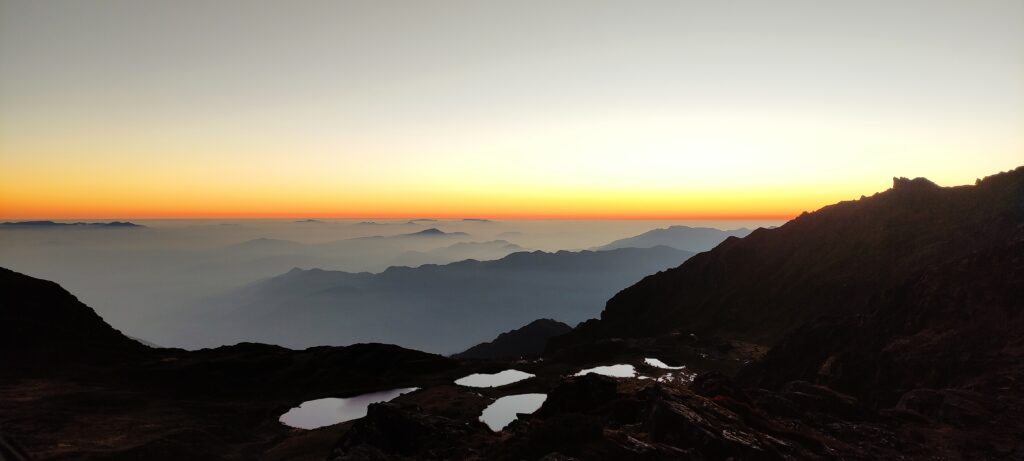



Langtang Valley Trek
 8 days
 Max Guests: 12
 Langtang National Park
Description
Nepal's closest Himalayan Escape
Discover spectacular mountain scenery, authentic Tamang culture, ancient monasteries, and breathtaking alpine landscapes on one of Nepal's most rewarding and accessible trekking adventures.
Overview
The Langtang Valley Trek is one of Nepal's most popular short Himalayan adventures, offering an incredible combination of mountain scenery, rich Tamang culture, and peaceful landscapes just a day's drive from Kathmandu. Located within Langtang National Park, this beautiful valley is ideal for trekkers looking to experience the Himalayas without committing to a lengthy expedition.
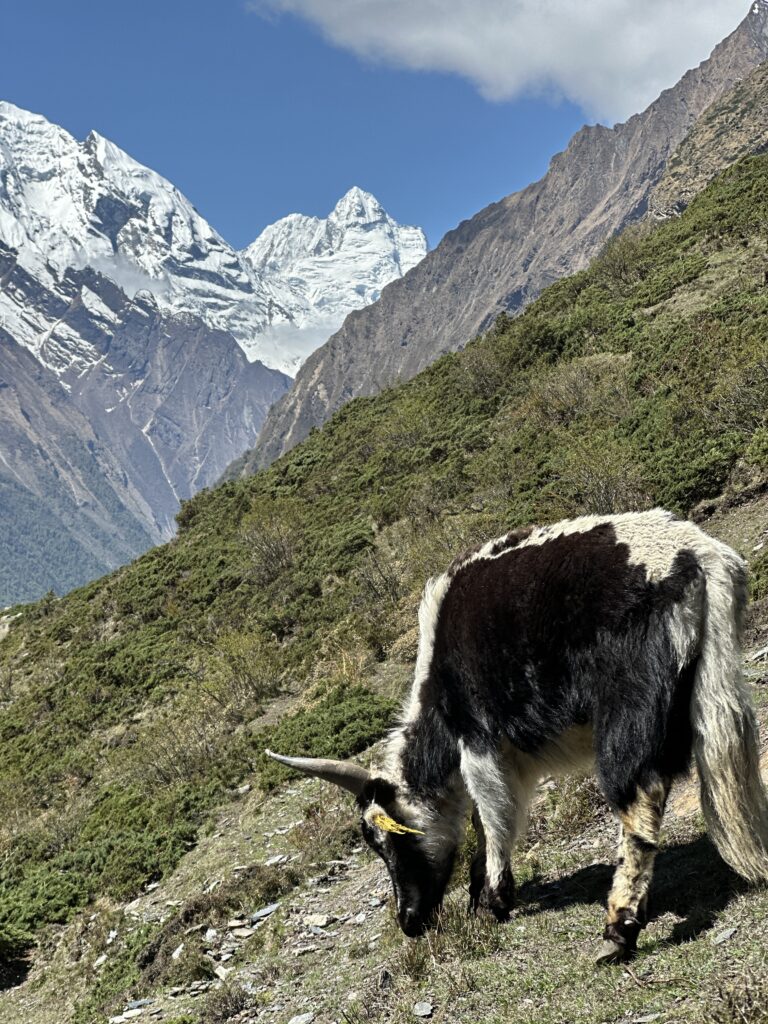
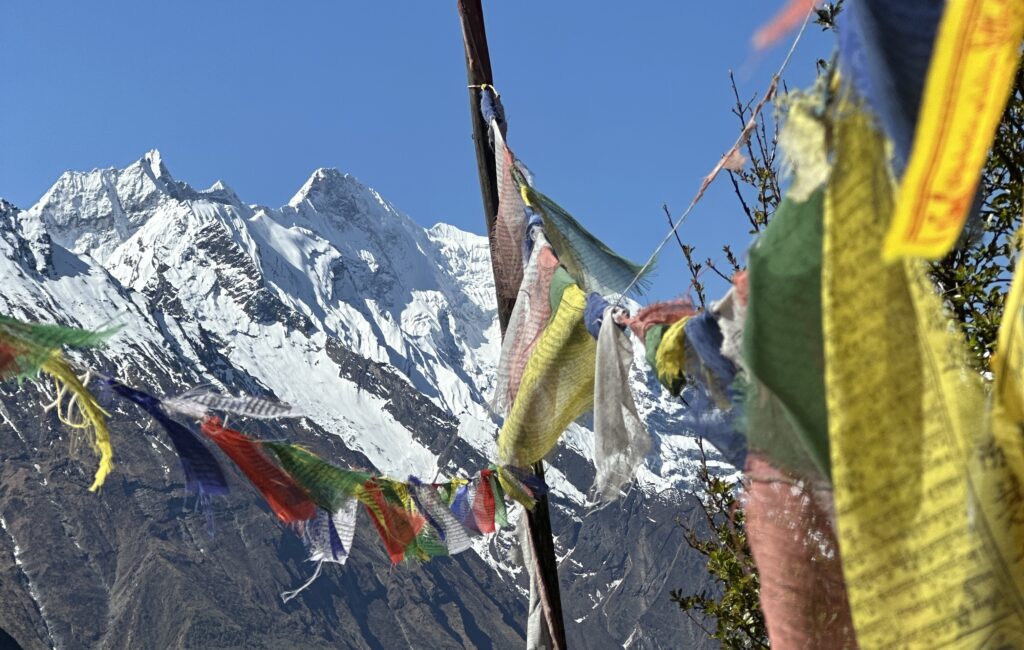
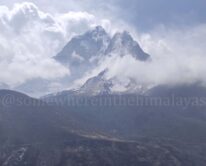
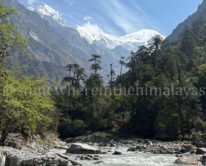
The trail winds through lush forests of rhododendron, bamboo, and pine before reaching traditional Tamang villages, yak pastures, and the picturesque settlement of Kyanjin Gompa. Along the way, you'll enjoy spectacular views of Langtang Lirung (7,227 m), Dorje Lakpa, Yala Peak, Ganesh Himal, and surrounding snow-covered mountains.
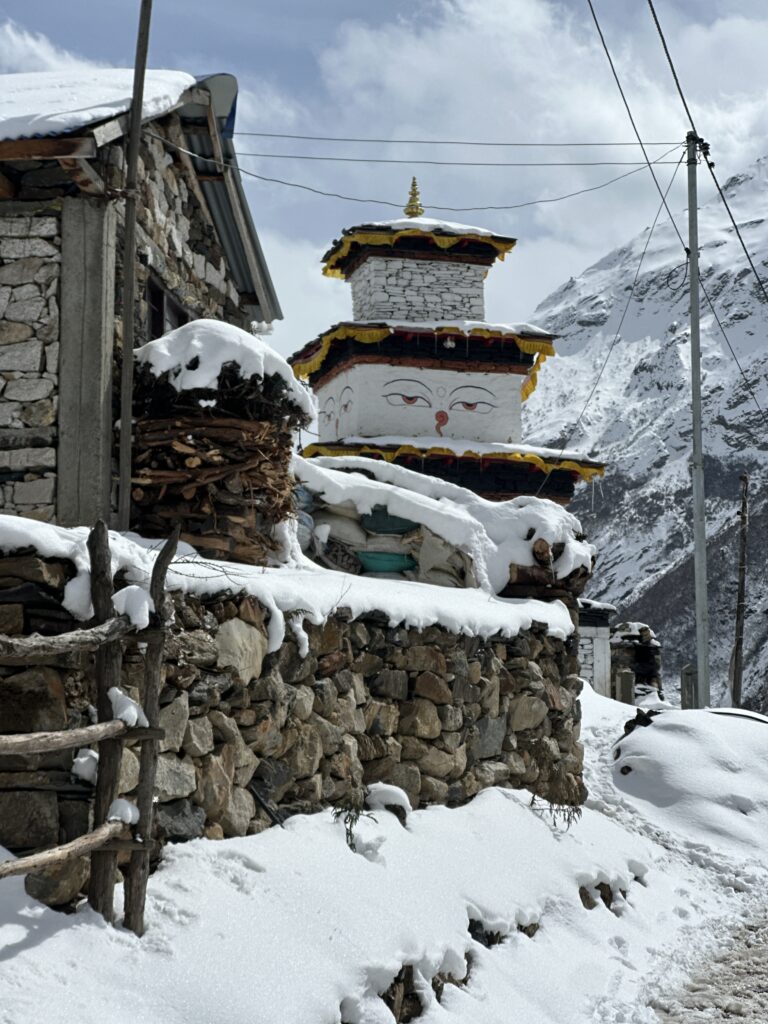
Despite the devastation caused by the 2015 earthquake, the resilient local communities have rebuilt their villages and continue to welcome visitors with genuine hospitality. Whether you're seeking stunning scenery, cultural immersion, or a rewarding first Himalayan trek, Langtang Valley offers an unforgettable experience.
Trekkers looking for a short yet rewarding Himalayan adventure featuring spectacular mountain views, authentic Tamang culture, and beautiful alpine landscapes close to Kathmandu.
Quick Facts
| 🕒 Duration | 11–12 Days |
| 📍 Region | Manaslu |
| ⛰ Maximum Altitude | 3,700 m (Mu Gompa) |
| 🥾 Difficulty | Moderate |
| 🏡 Accommodation | Local Teahouses |
| 🍛 Meals | Breakfast, Lunch & Dinner |
| 🌸 Best Season | March–May & September–November |
| 🚙 Transportation | Private & Local Jeep |
| 📄 Permits | RAP + MCAP |
| 🧑🦯 Guide | Licensed Guide Required |
| 🚩 Start Point | Machha Khola |
| 🏁 End Point | Machha Khola |
| 🏠 Trip Style | Tea House Trek |
Trek Highlights
- Trek through the scenic landscapes of Langtang National Park, home to diverse wildlife including the rare red panda.
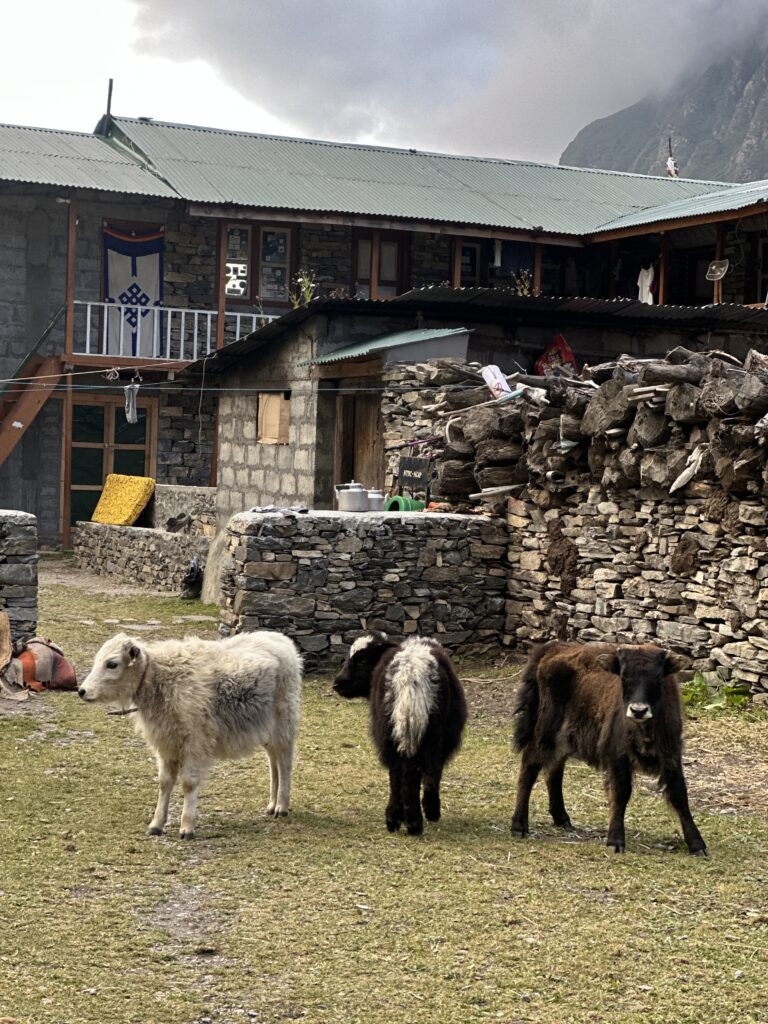
- Explore the traditional Tamang villages and experience authentic Himalayan culture.
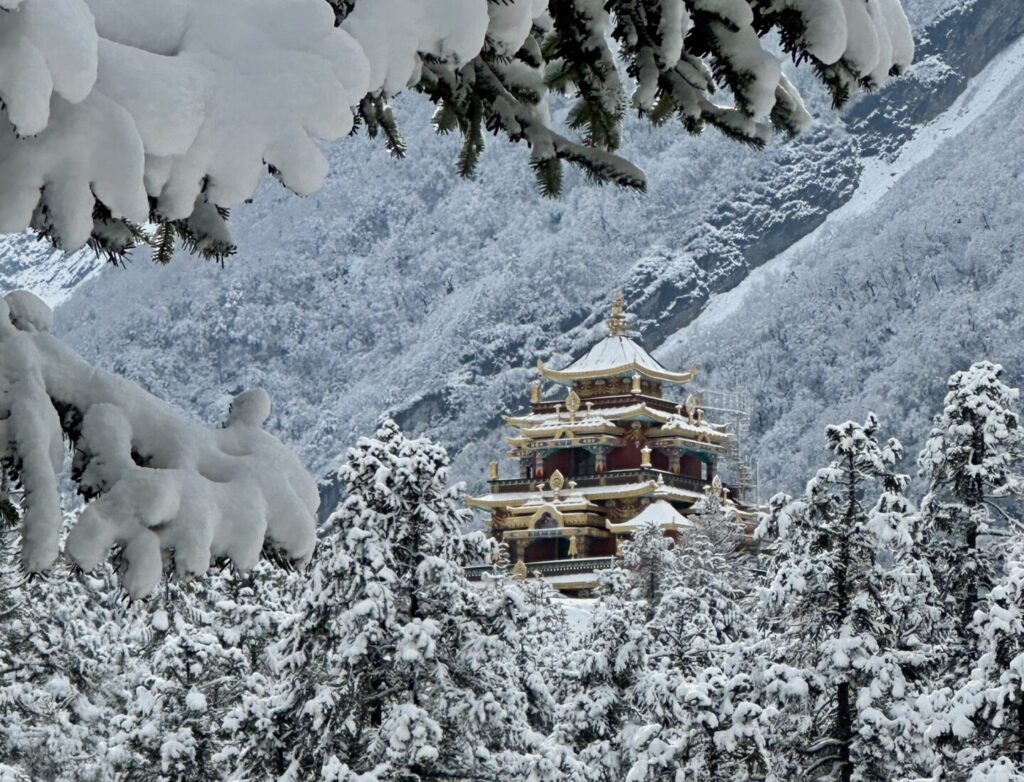
- Visit the historic Kyanjin Gompa, an important Buddhist monastery surrounded by towering peaks
- Hike to Kyanjin Ri (4,773 m) for breathtaking panoramic mountain views
- Enjoy spectacular views of Langtang Lirung, Ganesh Himal, Dorje Lakpa, Yala Peak, and neighboring Himalayan ranges
- Walk through lush forests, alpine meadows, glacial valleys, and picturesque mountain landscapes
- Discover the resilient Langtang community and learn about their unique Buddhist culture and traditions
Why Choose This Trek?
The Langtang Valley Trek offers everything trekkers love about Nepal in a shorter itinerary. From dramatic mountain views and rich Buddhist heritage to welcoming local communities and peaceful trails, it's the perfect choice for travelers seeking an authentic Himalayan experience within a limited timeframe.
Trek Difficulty
The Langtang Valley Trek is considered Moderate, with daily walks of approximately 5–7 hours. While no technical climbing is required, the gradual ascent to higher elevations makes a reasonable level of fitness important.
While the trail does not involve technical climbing, good physical fitness and previous hiking experience will help you enjoy the trek comfortably.
Recommended Fitness Level
- Moderate physical fitness
- Comfortable walking 5–7 hours per day
- Light cardio or hiking preparation before the trek
Permits Required
- Langtang National Park Entry Permit
- Licensed trekking guide is better for safe and secure trek.
Altitude Sickness
The highest overnight stop is Kyanjin Gompa (3,870 m), with optional hikes reaching 4,773 m. Although altitude sickness is less common than on higher treks, gradual ascent, hydration, and listening to your guide are important.
Common Symptoms
- Headache
- Fatigue
- Loss of appetite
- Difficulty sleeping
- Mild dizziness
Preventive Measures
- Gradual acclimatization and proper rest days.
- Stay hydrated throughout the trek.
- Walk slowly and maintain a comfortable pace.
- Eat nutritious meals and maintain energy levels.
- Avoid alcohol and smoking at high altitude.
- Inform your guide immediately if symptoms develop.
- Medication such as Diamox should only be taken after medical consultation.
Ready to Explore Tsum Valley?
Experience breathtaking Himalayan landscapes, authentic Tamang culture, and unforgettable mountain adventures with Somewhere in the Himalayas.
Contact Somewhere in the Himalayas today to customize your Tsum Valley adventure and experience the hidden heart of the Himalayas.
Plan Your AdventureIncluded/Exclude
 Airport Pick up and drop
All Ground Transportation during the trek
3 meals a day during the trek (Breakfast, Lunch and Dinner)
Teahouse Accommodation on twin sharing during the trek
All necessary permits and tickets
Expert guidance throughout the trek
Staff insurance and expenses
Provision for a first aid kit for emergencies
Airport Pick up and drop
All Ground Transportation during the trek
3 meals a day during the trek (Breakfast, Lunch and Dinner)
Teahouse Accommodation on twin sharing during the trek
All necessary permits and tickets
Expert guidance throughout the trek
Staff insurance and expenses
Provision for a first aid kit for emergencies
 Personal Medical Insurance
Alcoholic, beverage and bakery item
Personal expenses like water, battery charging, WIFI, hot shower, laundry
Additional cost arising from unforeseen circumstances like weather, health issues, landslide, and physical strikes and vice versa
Tips/Gratitude for the staffs
Personal Medical Insurance
Alcoholic, beverage and bakery item
Personal expenses like water, battery charging, WIFI, hot shower, laundry
Additional cost arising from unforeseen circumstances like weather, health issues, landslide, and physical strikes and vice versa
Tips/Gratitude for the staffs
Tour Amenities
Tour Plan
- Day 1: Drive Kathmandu to Syabrubesi (1550m)
After breakfast, embark on a scenic drive to Syabrubesi, the trek's starting point. Admire views of Manaslu, Ganesh Himal, and Annapurna along the way.
- Day 2: Trek to Lama Hotel (2380m)
Begin your trek through Langtang Khola and forests of oak and rhododendron. Cross a bridge and ascend to Lama Hotel, where you'll spend the night.
- Day 3: Trek to Mundu via Langtang Village (3540m)
Continue ascending from Lama Hotel, passing through Ghoda Tabela and enjoying stunning mountain landscapes. Reach Mundu for overnight stay.
- Day 4: Trek to Kyangjin Gompa (3870m)
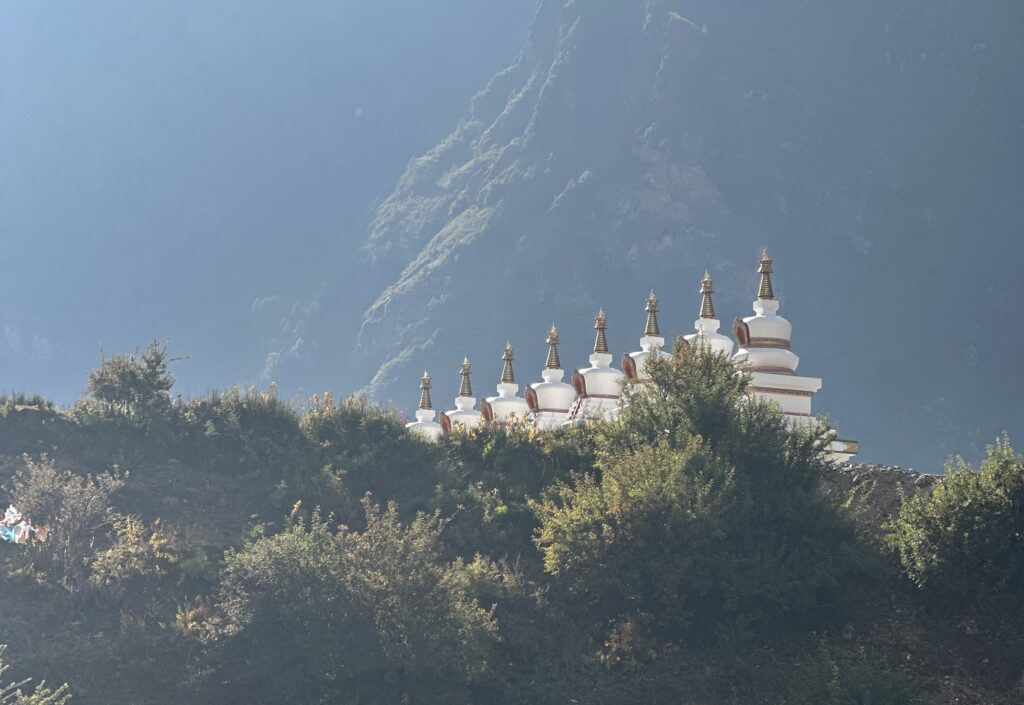
Start early and trek to Kyangjin Gompa, passing chortens and prayer wheels. Explore the ancient monastery and surroundings.
- Day 5: Exploration Day, Hike to Tserko RI (5000m)
Enjoy a day of acclimatization and hike to Tserko RI or Kyanjin RI for breathtaking mountain views. Return to Kyangjin Gompa for overnight stay.
- Day 6: Trek back to Lama Hotel (2380m)
Descend to Lama Hotel, retracing your steps and enjoying downhill trails. Spend the night at Lama Hotel.
- Day 7: Lama Hotel to Syabrubesi (1550m)
Retrace your trail back to Syabrubesi, enjoying the downhill trek. Celebrate the trek's success with musical programs in the evening.
- Day 8: Syabrubesi to Kathmandu
After breakfast, drive back to Kathmandu. Explore Thamel area and indulge in some shopping. In the evening, celebrate the trek's success with a farewell dinner and cultural programs.
Tour Location
Calendar & Price
Frequently ask Question
Accommodation during the trek?
This trek includes multiple nights at the mountain/lodges, where we will be selecting the best available lodge and hotels during the whole trip. Most of the rooms in the mountains will be provided with attached bathrooms but places where it is not available, we need to share common bathrooms. You can find some teahouses and lodges with good services on the trekking routes during your trekking days. But as you ascend higher they become more basic. Rooms are basic, almost every room consists of a twin beds with a mattress, pillow and blankets. You can share a room with a fellow trekker with whom you feel at ease. Although, each lodge has its own set of standards, please do not anticipate luxurious accommodations, particularly in the mountains. Most teahouses offer hot showers, boiled drinking water, extra blankets, charging stations, and WIFI for an additional fee. The price of teahouses is determined by the location and facilities/services they offer.
Food/Meals during the trek?
For trekking in the Himalayas, our body requires enough starch, protein and nutrition as food is the main source of energy for hiking on such vast Himalayan trails. Breakfast, Lunch and Dinner are included in your trek package during the whole trek. Usually, lunch is served on the way to our destination and breakfast and dinner will be offered at the same hotel where we spend our night. The services are basic, with some popular western, Asian or local Nepalese menu which is the most popular and consumed. The most popular and common menu includes Dal-Bhat set, consisting of rice, lentils and vegetables, also, noodle items, spaghetti, pasta, momo (dumpling), Tibetan bread, chapatti, Local Tsampa Porridge, potatoes, sandwiches, macaroni, pizza, vegetable curry and many more. The desert items like Rice pudding, apple pie and chocolate pudding are available on the menu during the trek. Although there are lots of varieties of food, you cannot compare them with the choices available in large cities as local agricultural products are used to prepare meals on the trek. Some other ingredients which cannot be grown at the particular elevation are purchases from the market. Advance order of breakfast and dinner will be taken to save time on the trek; breakfast orders are usually taken after dinner and dinner orders are taken as soon as you arrive at the teahouse. Depending on the schedule of the day, our day will begin. Breakfast will be served in your lodge each morning, after which you will leave the hotel for next destination. An evening briefing will be given each day to let you know the plans for the next day. During noon, you will stop for lunch on the trail at any nearby lodge. At high-altitudes, it is strongly advised to drink hot liquid drinks with fresh vegetable and fruits. Drink plenty of water, not all at once but regularly on time intervals to keep you hydrated. It is always the best choice to avoid smoking cigarette, consuming too much alcohol, non-vegetarian foods like meat, caffeine containing drinks, hot chocolate, dairy and cheese products on high altitude treks as these things can increase the chance of getting altitude sickness and diarrhea.
Safe Drinking Water?
There is no problem with drinking water availability. The majority of locations sell bottled mineral water, yet there is rarely a place to discard disposable bottles. We urge visitors to take whatever action they can to preserve the environment. Purchasing single-use plastic bottles is not something we advise. The trail is clear of bottles and trash when you purchase or bring your own Nalgene bottles for the hike. Another way to obtain drinking water is to fill up your water bottle at tea shops. The water in a number of guesthouses is filtered by Euro-guard. Tea establishments also sell boiled filter water, which is perfectly safe to drink but might not be very cheap for the duration of the hike. Avoid drinking river water as it is typically contaminated with sand and ice, and it might also contain animal feces and toilet runoff. Although the tap water in the lodges is better since it comes from high up, far from rivers and pure glaciers, it still needs to be treated. Use Lugols solution, often known locally as iodine drops (3 per liter), which are sold at Kathmandu's Thamel supermarkets. Another option are the tablets with a chlorine base, however the water does taste like them. As an alternative, you could get a Steripen, which is a little fragile to carry on the hike but uses UV to kill the bacteria. Modern technology makes the Aquaprove water purification tablet the finest choice. Above all, it is effective against every germ found in contaminated water. It is all-natural, tasteless, lightweight, and easy to use.
Physical Fitness for the trek?
Trekking in Nepal's high altitudes requires the highest physical condition. It can be challenging without some pre-trek training or a high degree of fundamental fitness. To get ready for the hike, we advise jogging, walking, hiking up the hill, and using stairs instead of elevators and also some exercises including biking, rowing, and swimming. Basic further experience and strength required for Trekking: 1. The ability to hike for 6-7 hours a day, 2. To make your ascent considerably easier, we recommend that you prepare by running 4–5 kilometers at home while carrying some weight on your back. Alternatively, go for regular walks and runs on the treadmill, 3. You should go hiking with a full backpack on your back once a week if you live near an uphill place or mountain. Instead of using an elevator to travel up or down, utilize the steps if there are no mountains or steep hills nearby. Frequent biking, rowing, and swimming are other effective means of preserving your physical strength. 4. Drink lots of water and provide your body with frequent, modest meals that are high in nutrients. 5. Use a trek grading system to determine the kind of trekking that is best for you. There are four categories for the treks: easy, moderate, hard, and demanding. This trek is considered moderate. 6. Strive for your goals and the limits of your physical abilities. Don't exert yourself too much. Hiking is not an athletic endeavor. It is gratifying and soothing. 7. Walk normally as you feel comfortable. You won't have to hurry to catch up to the speedier walkers in the front because an assistant guide will always be at the back of the group. 8. Walking becomes easier while using trekking poles since they lessen the weight of the body and bag on the legs. 9. To prevent blisters, get a full trekking boot that fits your foot type, is supportive around the ankle, and has a durable Vibram sole.
Difficulties during the trek?
Altitude sickness like nausea, breathing difficulties, and headache becomes common, but always let your guide know about your condition and situation High-tech facilities like Wi-fi and ATM get exorbitant at high lands like Manang, Peak season gives rise to the insufficiency of guest houses and lodges on Annapurna, so prior booking is a great option, Accommodations are economic with no luxurious items and extra facilities, There are some landslide risk areas on the trail which will be briefed by the guide everyday for possible risks.
AMS (Altitude Sickness)
Trekking's greatest risk is acute mountain sickness (AMS). When the body is exposed to a greater elevation in a little amount of time and is unable to adjust to the changing air pressures, anyone might become a victim of this illness. The oxygen content and air pressure drop as you fly higher. Although our bodies can withstand the shift, it will take some time for them to gradually adjust. It might be fatal if treatment is delayed and it becomes severe. To avoid it, you can take a few precautions. Avoid going too quickly or too high. Ascend steadily and reach the summit. Go slowly and as high as seems comfortable for you. Walk slowly and cut down on the amount of time you spend walking until you reach 2000 meters. Sip a lot of water. Get lots of sleep. Take extra time to relax if you feel that your body needs it. Give up smoking and alcohol consumption. Before beginning each day's hike, practice meditation and warm-up exercises. For every 1000 meters of height rise, allow one day for acclimatization. There are two more serious but less common severe forms of altitude sickness. Both have the potential to be fatal. You must descend immediately to receive medical care. High-altitude Pulmonary Edema (HAPE) causes the lungs to swell with excess fluid, which makes breathing difficult even when at rest. You experience extreme exhaustion, weakness, and perhaps a sense of suffocation. A dry cough, nose breathing, shortness of breath, fever, chest tightness, rapid heart rates, congestion, swelling, and fainting are the symptoms of HAPE. If HAPE is not promptly treated by lowering the altitude or using oxygen, it can be fatal. The main characteristic of High altitude Cerebral Edema (HACE) is a buildup of fluid on the brain that causes swelling. There may be disarray, lack of cooperation, and even violent conduct. Additional symptoms of HACE include hallucinations, unconsciousness, fever, exhaustion, photophobia, hypertension, coma, dyspnea, and difficulty walking. If HACE is not treated right away, it may be fatal. By quickly descending, altitude sickness's early symptoms can be alleviated. You should consult a physician, nevertheless, if you are suffering from extremely severe acute symptoms of mountain sickness. Acetazolamide is a medication that helps relieve dyspnea and minimize the symptoms of altitude sickness. Additionally, you might receive the steroid Dexamethasone. However, it is never advised to use such medications until the situation is harsh.
Waste Management during the trek!
Leave No Traces, Only the Footprints! Remove your own trash. To promote sustainable tourism, we plan eco-friendly travel and engage in responsible ecotourism. The absence of a strong waste management program in Nepal has resulted in considerable harm to the trekking trail. Behave and travel responsibly. It is our preference that all of our customers bring their trash, keep it in a bag or container, and properly dispose of it in a dustbin or designated area.
Tipping
Your guides, porters, and staff do not receive pay for tips, although it is much appreciated. Tipping is generally recognized in Nepalese culture as a kind of gesture of gratitude ("Dhanyabaad") for excellent service. Usually, recommendations are given at the conclusion of the hike, and it's ideal to do this as a group. On the final day of the walk, most groups offer the tips.
(2) Comments
Matthew Marriott
5Hi Somewhere in the Himalayas,
Are you taking bookings for January to April 2027? I am interested in the Langtang Valley trek. I have trekked in the Annapurna region before and also the Kathmandu Valley.
Many thanks
Matthew
admin
Please Let me know on Whatsapp if you have any query for upcoming trips. +977 9843589625
Or follow me on Instagram @somewhereinthehimalayas.
Or mail me at rocken.lama99@gmail.com